
The Best Transfers of Summer 2026: The Deals That Could Define the Season
The 2026 summer transfer window did not simply produce another collection of huge fees. It produced a fascinating mix of superstar moves, ambitious rebuilds, undervalued signings and transfers that could completely change how their new teams play.
The Premier League dominated the financial side of the market, with English clubs spending roughly £3.46 billion. Four transfers passed the £100 million mark, while the global market was also heavily influenced by players who had just appeared at the 2026 World Cup.
But the most expensive transfer is not automatically the best one. A good transfer is about what a player gives his new club, what problem he solves, how well he fits the manager's football and what his arrival could mean over several seasons.
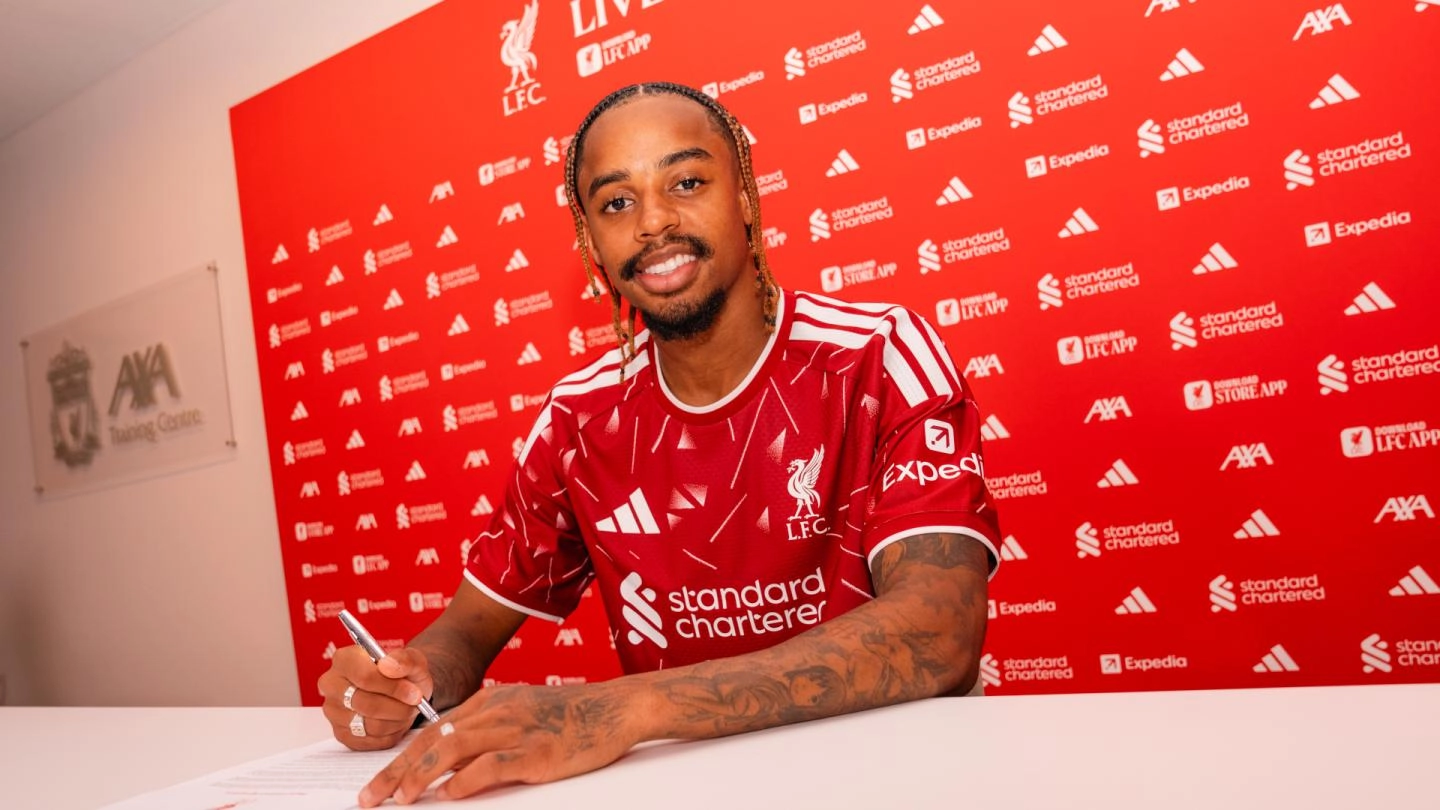
1. Bradley Barcola — PSG to Liverpool
If there is one signing that feels designed specifically for a new team's football, it is Bradley Barcola to Liverpool. The France international arrived from PSG for an initial £106 million, with the deal potentially reaching £123 million.
Barcola is not simply replacing a name on a team sheet. Liverpool needed more pace, one-versus-one ability and a forward who could attack space behind a defence. Barcola offers all three.
At PSG he scored 39 goals and produced 35 assists in 152 appearances. Last season he ranked first in the PSG squad for both chance-creating carries and shot-ending carries, while his Champions League top speed reached 36.7 km/h.
His first Liverpool appearance has already offered an early glimpse of the idea: pace, direct running and the willingness to attack defenders rather than simply circulate possession.
The biggest question is not whether Barcola has the talent. It is whether Liverpool can build enough balance around him to turn that talent into a title-winning attack.
2. Rodri — Manchester City to Barcelona
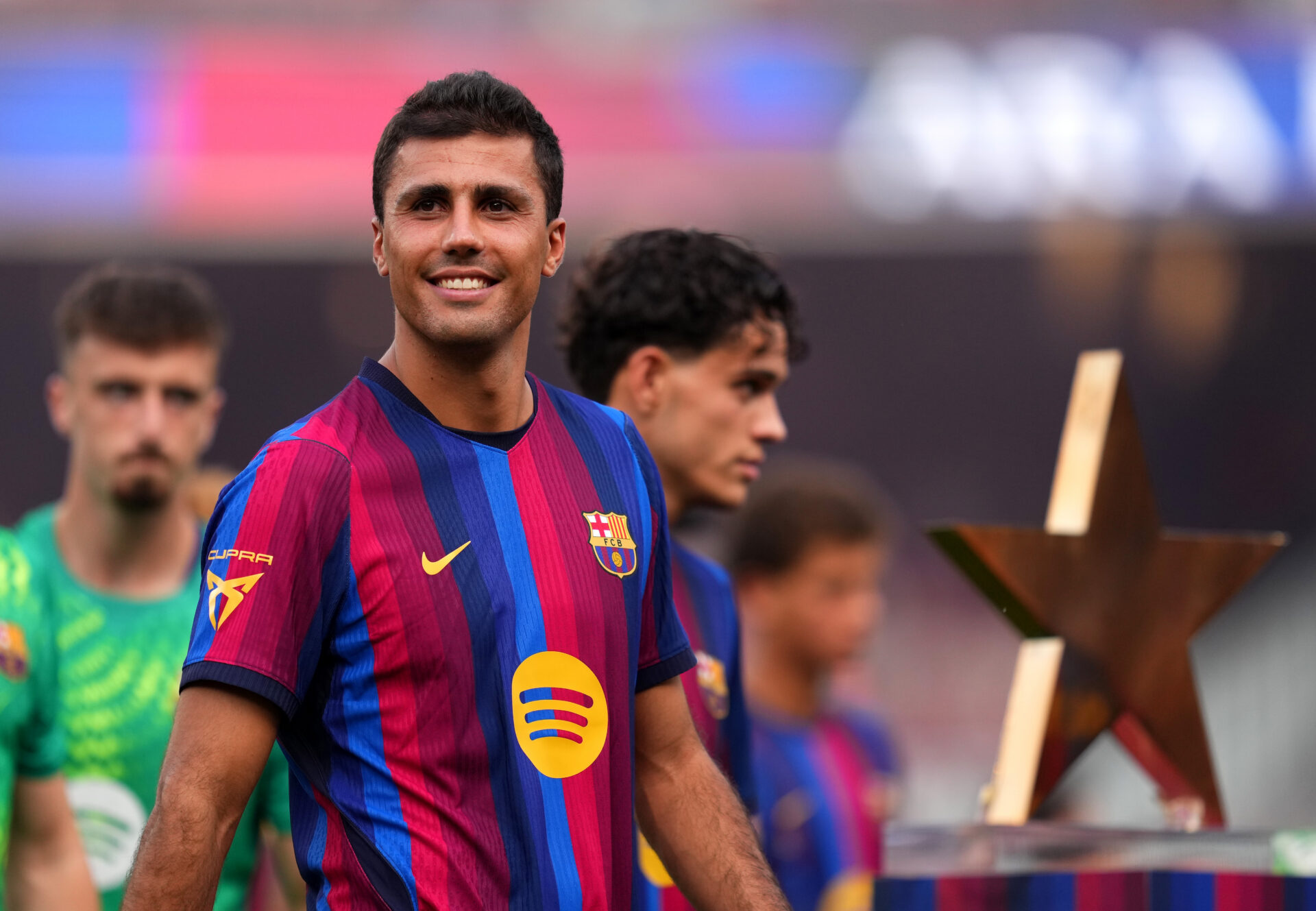
This might be the most important footballing transfer of the summer, even if it was not the most expensive. Barcelona have signed the 2024 Ballon d'Or winner and 2026 World Cup MVP to become the central reference point of their midfield.
Rodri left Manchester City after seven enormously successful seasons and joined Barcelona on a contract through 2030. The reported fee is around £65 million, a remarkable price for a player of his status if his fitness holds.
Barcelona have spent years looking for a player capable of giving them the control and positional intelligence once associated with Sergio Busquets. Rodri is not Busquets, but he may be the closest possible modern alternative.
His importance is already visible. Barcelona have started the league season perfectly, and Rodri gives Hansi Flick an elite option for controlling the centre of the pitch while allowing Pedri and the attacking players to operate higher.
3. Enzo Fernández — Chelsea to Manchester City
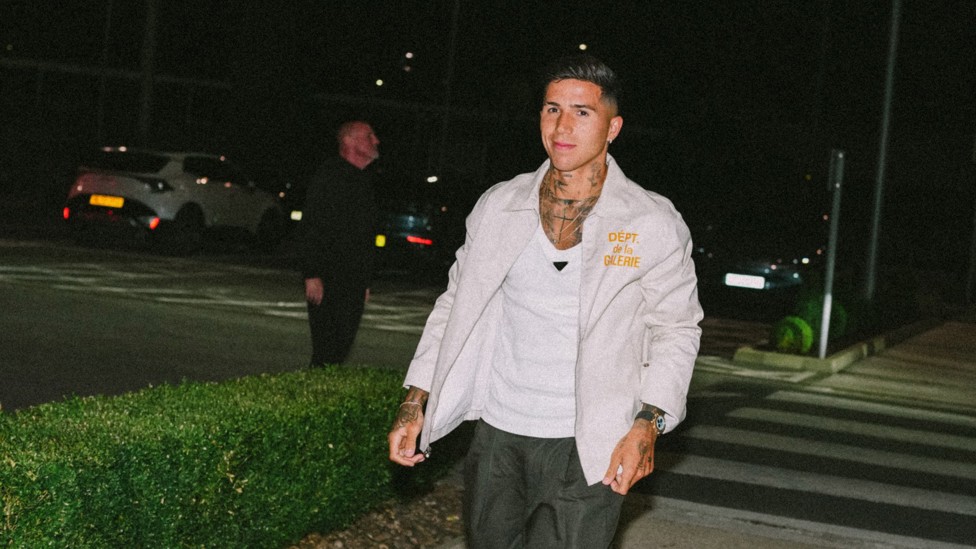
Manchester City's summer revolution eventually produced one of the biggest deals in British transfer history: Enzo Fernández arrived from Chelsea for a British record-equalling £125 million.
The price is enormous, but so is the logic behind the move. City are entering a new era under Enzo Maresca and wanted a midfielder capable of controlling games, progressing the ball and contributing in the final third.
Fernández scored 15 goals and added seven assists for Chelsea in 2025/26. More importantly, he already knows Maresca's football and has experience at the highest level with both Chelsea and Argentina.
It is an unusually expensive reunion, but it gives City something they desperately wanted: a midfielder who can connect physical intensity with technical quality.
4. Morgan Rogers — Aston Villa to Chelsea
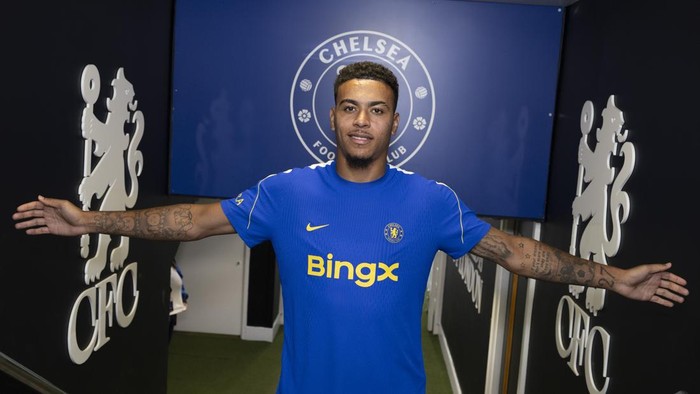
Chelsea paid £117 million for Morgan Rogers, making him one of the most expensive English players ever. On paper, that looks like a huge gamble. On the pitch, it is already beginning to look much more interesting.
Rogers arrives after producing 14 goals and 12 assists for Aston Villa last season and helping them reach the Champions League. Chelsea were looking for an attacker who could combine size, athleticism, ball carrying and final-third creativity.
The early signs have been excellent. Rogers has already contributed directly to four of Chelsea's first seven league goals and scored against Arsenal after only 77 seconds of Sunday's 2-1 defeat.
That last detail matters. Transfers are ultimately judged on whether the player changes matches. Rogers is already doing that.
5. Elliot Anderson — Nottingham Forest to Manchester City
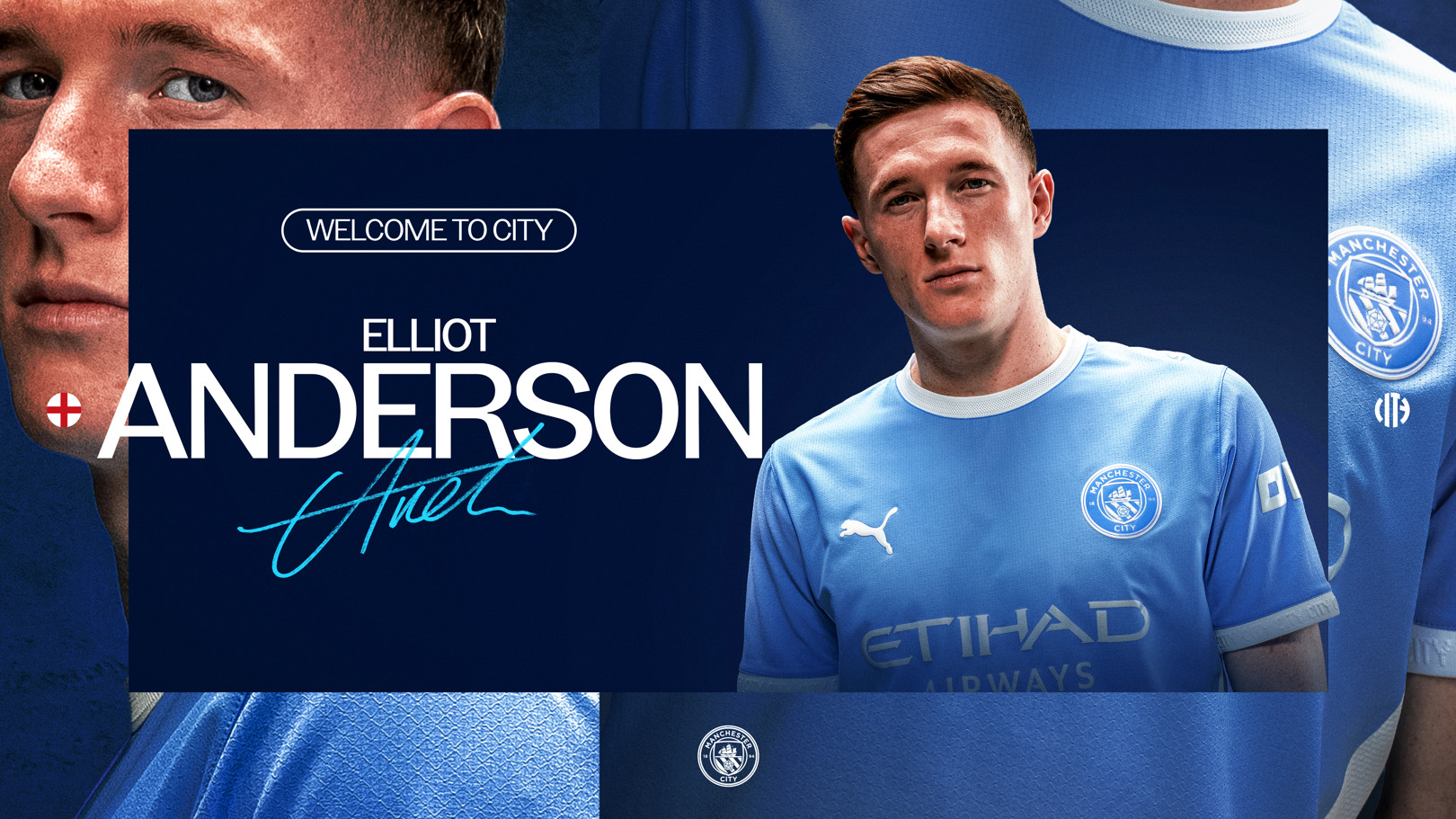
Elliot Anderson is perhaps the most interesting signing on this list because he does not arrive with the same global reputation as Fernández, Rodri or Barcola.
City paid £116 million for the 23-year-old midfielder after his outstanding season at Nottingham Forest and an impressive World Cup with England.
The numbers explain why City were willing to go so far. Anderson covered 411 kilometres in the 2025/26 Premier League, second only to one player in the entire division. He also made 104 tackles and completed 2,080 passes, the most of any midfielder.
He is effectively the opposite of a luxury signing. Anderson gives City running power, pressing, tackling, ball progression and the ability to cover enormous amounts of space.
If Manchester City wanted to change their midfield's physical profile, Anderson may be the signing that matters most.
6. Sandro Tonali — Newcastle to Tottenham

Tottenham's summer rebuild has been enormous, but Sandro Tonali may be the signing that gives the new project its personality.
The Italy international moved from Newcastle to Tottenham after manager Roberto De Zerbi made him a central part of the club's new midfield. Tonali combines intensity, technical quality and tactical intelligence — exactly the characteristics Tottenham need if they want to become more aggressive without losing control.
This is not necessarily the transfer that will produce the biggest goal numbers. It could be the one that changes the way the entire midfield behaves.
7. Bruno Guimarães — Newcastle to Arsenal

Arsenal did not need to rebuild their entire team after winning the Premier League. They needed to make a strong squad even harder to play against. Bruno Guimarães fits that philosophy perfectly.
The Brazilian midfielder arrived from Newcastle for around £75 million and immediately helped Arsenal win the Community Shield. He then made his Premier League debut in the win over Aston Villa.
His value is not captured by goals alone. Guimarães can receive under pressure, progress the ball, win duels and add aggression to a midfield that already contains elite technical players.
For a team defending a title, that kind of signing may be more valuable than another spectacular attacking purchase.
8. Ismael Saibari — PSV to Bayern Munich

Not every great transfer needs to cost nine figures. Bayern's move for Ismael Saibari is one of the summer's more intriguing pieces of business because it combines immediate usefulness with considerable upside.
Saibari arrives from PSV as a versatile attacking midfielder capable of playing between the lines and contributing both goals and creativity. His pre-season immediately provided encouragement: he assisted during Bayern's 3-1 win over RB Leipzig.
For Bayern, this is the type of recruitment that can become extremely valuable over a long season. He does not have to be the star immediately. He simply has to become another reliable attacking option.
9. Yan Diomande — RB Leipzig to Real Madrid

Real Madrid's biggest attacking bet of the summer was Yan Diomande, a teenage winger signed from RB Leipzig for a fee reported around €125 million.
Unlike several names on this list, Diomande is not being judged on immediate production. José Mourinho has already emphasized patience with the 19-year-old, who has had limited minutes during the opening weeks.
That is exactly why the transfer is fascinating. Madrid are betting that elite physical ability, dribbling and attacking explosiveness can be developed into a superstar rather than demanding that the teenager become one immediately.
It may take months before we know whether this is a great transfer. But the ceiling is enormous.
10. The transfer that could age best
If the list were based purely on reputation today, it would be easy to fill it with players costing more than £100 million. But football history usually rewards clubs that identify what they need rather than simply buying the biggest name available.
| Player | From | To | Why it could work |
|---|---|---|---|
| Bradley Barcola | PSG | Liverpool | Explosive pace and one-on-one ability for a new attacking system |
| Rodri | Manchester City | Barcelona | Elite control and a natural midfield reference point |
| Enzo Fernández | Chelsea | Manchester City | Technical quality, energy and familiarity with Maresca |
| Morgan Rogers | Aston Villa | Chelsea | Premier League-proven production and attacking versatility |
| Elliot Anderson | Nottingham Forest | Manchester City | Physicality, pressing, passing and huge work rate |
| Sandro Tonali | Newcastle | Tottenham | Tactical intelligence and intensity for De Zerbi's midfield |
| Bruno Guimarães | Newcastle | Arsenal | Ball progression, defensive aggression and experience |
| Ismael Saibari | PSV | Bayern Munich | Versatility and upside without superstar expectations |
| Yan Diomande | RB Leipzig | Real Madrid | Elite potential and long-term attacking upside |
The real winners may not be the clubs spending the most
The headline number from this summer is obvious: English clubs spent more than ever. Manchester City alone spent around £458 million, while Chelsea spent roughly £349 million and Tottenham around £303 million.
But money has not eliminated uncertainty. A £125 million transfer can fail. A £30 million signing can become the most important player in a squad. And a teenager can need two seasons before anyone understands why his club paid so much.
That is why the best transfer of the summer cannot really be decided in September.
The early verdict
If we judge the window by a combination of player quality, tactical fit, age, previous production and the problem each club was trying to solve, Barcola, Rodri and Anderson stand out for very different reasons.
Barcola may transform Liverpool's attacking profile. Rodri could become the player who makes Barcelona's midfield function at the highest level. Anderson could give Manchester City an entirely different physical dimension.
Rogers has the strongest early evidence, while Tonali and Bruno Guimarães look like the kind of midfield signings that can make their teams more stable across an entire season.
The most expensive transfer wins the headlines. The best transfer is the one that makes everyone around the player better.
And there is one more reason this summer feels different
The 2026 World Cup accelerated the market. Players who performed on the biggest stage suddenly became available at extraordinary valuations, while clubs that missed their targets early were forced into enormous late-window decisions.
That created a market where experience and potential collided. Rodri arrived as an established superstar. Barcola arrived after two Champions League victories with PSG. Anderson arrived after emerging as an England regular. Diomande arrived as a 19-year-old project.
Different players, different risks, different reasons — but all of them could define the next phase of European football.
So, who actually won the summer?
Manchester City probably made the boldest attempt to change their identity, with Fernández and Anderson adding two completely different midfield profiles. Barcelona may have made the most elegant signing by bringing Rodri home. Liverpool found a direct attacking weapon in Barcola. Chelsea bet heavily on Rogers and are already seeing signs of why.
And then there are the transfers that may look even better in 2027 than they do today.
That is what makes this window so difficult — and so exciting — to rank. The best transfers are not necessarily the ones that dominate September. They are the ones we will still be talking about when the trophies are handed out in May.