
How the New Champions League Format Opened Europe's Door to New Clubs
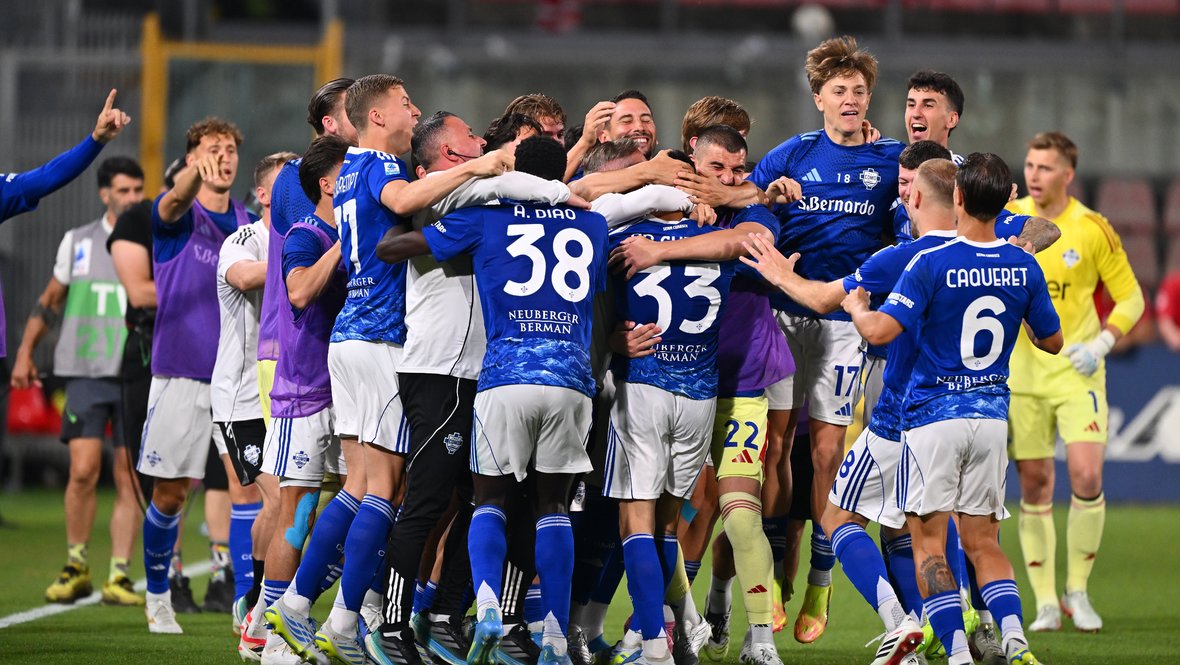
For decades, the Champions League had a familiar cast. Real Madrid, Barcelona, Bayern Munich, Manchester United, Juventus, Milan and a handful of other giants seemed to occupy the same European stage year after year. Then UEFA changed the competition. The old group stage disappeared, the field grew from 32 to 36 teams, and the Champions League became one enormous league phase.
The change was designed partly to create more matches between elite clubs. But there has been another, less obvious effect: the Champions League has started to look a little less familiar. New clubs from countries and cities that rarely appeared in the competition's main phase have suddenly found themselves travelling to Madrid, Munich, Manchester and Paris.
The Change Was Bigger Than Removing the Groups
From 2024/25, the Champions League expanded from 32 to 36 teams. Instead of eight groups of four, every club was placed into one table. Each team plays eight different opponents, four at home and four away. The top eight go directly to the round of 16, while teams finishing ninth to 24th enter a knockout play-off.
That sounds like a formatting change, but the access rules changed too. One of the four additional places went to a fifth domestic champion through the Champions Path, while two went to clubs from associations whose teams had performed particularly well in Europe the previous season. Another place went to the third-placed club from the fifth-ranked association.
In other words, UEFA did not simply add four famous clubs to the competition. The system created additional routes into the main phase, and the first three seasons have shown what those routes can produce.

2024/25: Five Clubs Suddenly Entered a New World
The first season of the new format immediately produced a remarkable list of newcomers. Aston Villa, Bologna, Brest, Girona and Slovan Bratislava all made their Champions League league-phase debuts.
Brest were perhaps the most striking example. The French club had never played in European competition before, yet suddenly their opponents included Real Madrid and Barcelona. Their home matches were played in Guingamp because their own stadium did not meet UEFA requirements, making the story even more unusual.
Brest did not simply make up the numbers. They finished 18th with 13 points and reached the knockout play-offs. Their campaign included a 1-0 win over PSV Eindhoven and a memorable home meeting with Real Madrid.
Girona Went From Surprise Package to Champions League Club
Girona offered another completely different story. After finishing third in La Liga in 2023/24, the Catalan club earned a place among Europe's elite for the first time. Their reward was a league-phase schedule featuring Paris Saint-Germain, Liverpool, Milan and Arsenal.

One of Girona's most memorable nights came against Liverpool. The visitors won 1-0 at Montilivi through Mohamed Salah's penalty, but the significance of the fixture went beyond the result. A club that had spent much of its modern history outside the Spanish elite was now hosting one of England's biggest clubs in Europe's premier competition.
Aston Villa Brought an Old Giant Back
Aston Villa's story was slightly different. The club had already won the European Cup in 1982, but it had been more than three decades since Villa last appeared in Europe's top competition. Their return immediately produced one of the most memorable results of the first league phase.
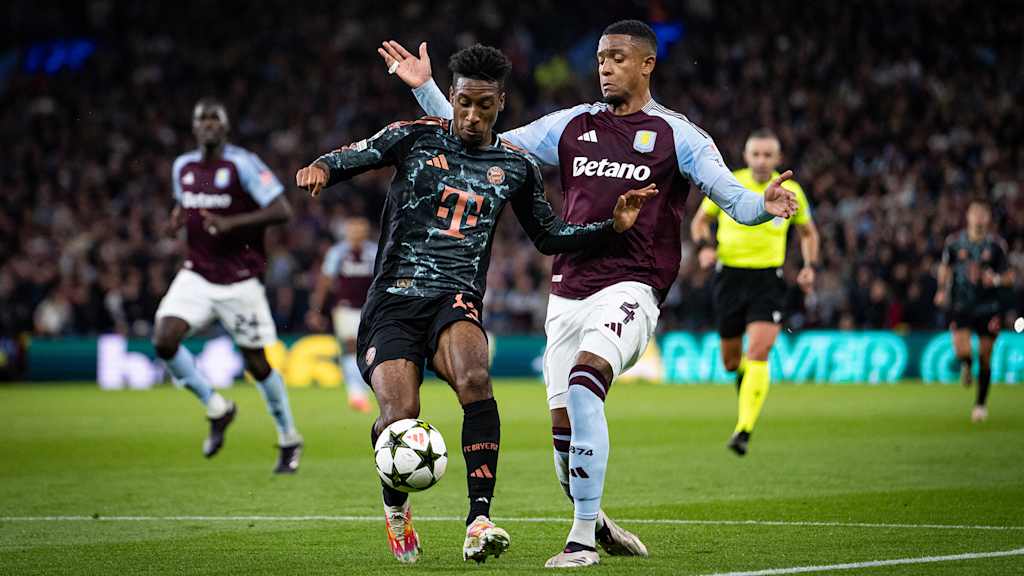
Villa beat Bayern Munich 1-0 at Villa Park, with Jhon Durán scoring late. It was more than a famous result. It was a perfect illustration of what the expanded league phase can produce: a returning club getting an immediate opportunity to test itself against one of Europe's traditional powers.
Slovan Bratislava Took the Biggest Stage to Slovakia
Slovan Bratislava became the first Slovak club to reach the Champions League league phase under the new system. Their schedule included Manchester City, and the difference in resources was obvious when City won 4-0.
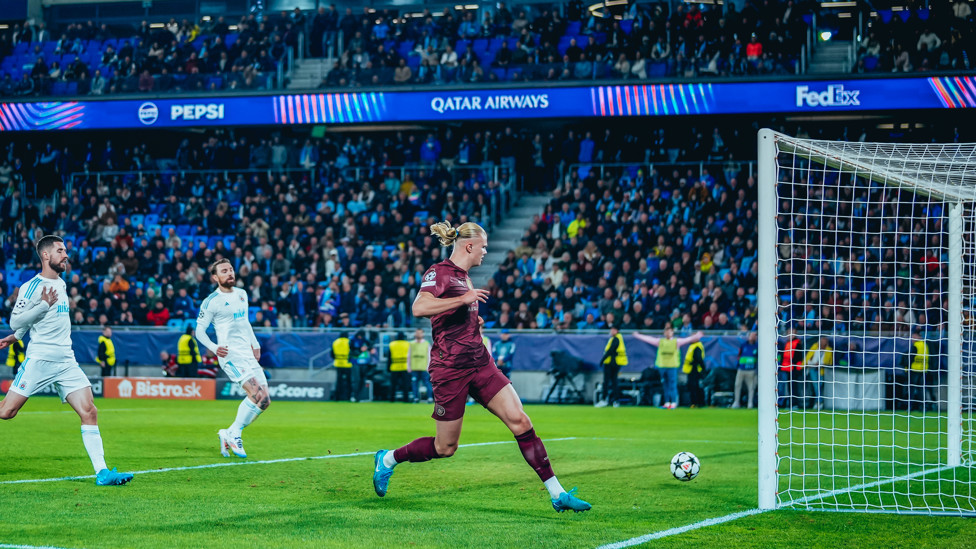
But the important part was not that Slovan lost. It was that 22,000-plus fans could watch a Champions League match against Manchester City in Bratislava. For supporters of clubs outside Europe's traditional financial centres, that is exactly what an open continental competition is supposed to make possible.
2025/26: The Map Expanded Again
The second season made the pattern even harder to ignore. Four clubs made their first league-phase appearance: Bodø/Glimt of Norway, Kairat Almaty of Kazakhstan, Pafos of Cyprus and Union Saint-Gilloise of Belgium.
These clubs were not just new names. They represented very different football cultures and geographical realities. Kairat came from Almaty, the easternmost city ever to send a club into the Champions League proper at the time. Bodø/Glimt came from a city north of the Arctic Circle. Pafos represented Cyprus, while Union Saint-Gilloise returned Belgian football to the spotlight after a long absence from the competition.
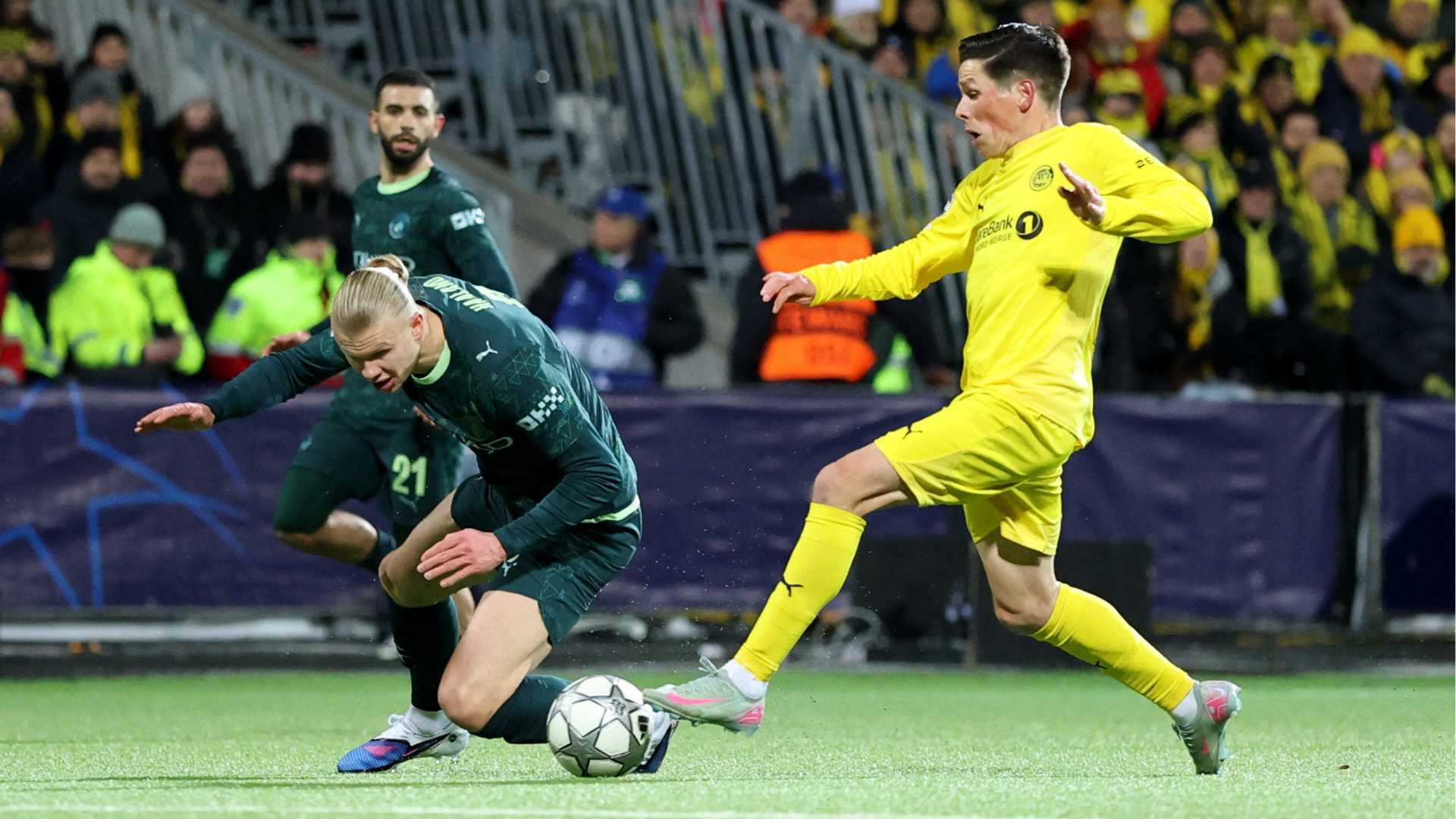
Bodø/Glimt became perhaps the most entertaining example. The Norwegian club had only won its first domestic title in 2020, yet within a few years it was hosting Manchester City in the Champions League. The club's rise showed that a strong sporting model can eventually turn a club from a relatively small football market into a European headline.
Kairat Made the Champions League Feel Truly Continental
Kairat Almaty's appearance was particularly symbolic. Almaty is thousands of kilometres from Western Europe's traditional football centres, and Kairat's participation created one of the longest journeys in modern UEFA competition.
Then came Real Madrid. Kairat hosted the 15-time European champions, and Kylian Mbappé scored a hat-trick as Madrid won 5-0. On the pitch, the gap was obvious. Off it, the image was remarkable: a club from Kazakhstan sharing a Champions League pitch with the biggest club in European football.
And Then There Was Pafos
Pafos may have produced the most charming version of the story. Founded only in 2014, the Cypriot club reached the Champions League league phase for the first time in 2025/26 after progressing through qualifying.

Their first home league-phase match was against Bayern Munich. Harry Kane scored twice as Bayern won 5-1, but Pafos still got to experience something that would have seemed extraordinary only a few years earlier: Champions League football against one of Germany's most successful clubs.
The Third Season Has Produced Another Surprise
The 2026/27 league phase continues the same trend. Three clubs — Como, Sabah and Viking — are making their first appearances in the competition's league phase.

Viking's route was dramatic enough to deserve its own story. The Norwegian club came back from two goals down to draw 2-2 away to Dinamo Zagreb in the play-off first leg, keeping their historic qualification dream alive. Their arrival gives Norway two league-phase representatives alongside Bodø/Glimt.
Como Might Be the Best Example Yet
Como's story is almost too perfect for this article. In 2017, the club was playing in Serie D after bankruptcy. By 2024, it had returned to Serie A. In 2026, Como finished fourth in Italy and qualified for the Champions League for the first time in its history.
Now Cesc Fàbregas' team is preparing for matches against RB Leipzig, Manchester United, AEK Athens and Paris Saint-Germain at the historic Stadio Giuseppe Sinigaglia on the shores of Lake Como.
That journey captures something important about the new Champions League better than any rulebook can. A club can fall into the fourth tier, rebuild itself, return to the top division and eventually host PSG in Europe's biggest club competition.
The Numbers Tell the Story
| Season | League-phase debutants | Clubs | Notable story |
|---|---|---|---|
| 2024/25 | 5 | Aston Villa, Bologna, Brest, Girona, Slovan Bratislava | First season of the 36-team league phase |
| 2025/26 | 4 | Bodø/Glimt, Kairat Almaty, Pafos, Union Saint-Gilloise | New entries from Norway, Kazakhstan, Cyprus and Belgium |
| 2026/27 | 3 | Como, Sabah, Viking | Newcomers from Italy, Azerbaijan and Norway |
That gives us 12 different league-phase debutants across the first three seasons of the new format. It is a small but significant sign that the Champions League is no longer quite as predictable in terms of who gets invited to the party.
It Is Not Just About the Extra Four Places
It would be too simplistic to say that UEFA added four places and suddenly smaller clubs appeared. Most of these teams still had to earn their qualification through domestic performance and, in many cases, difficult qualifying rounds.
What changed is the overall ecosystem. There are more places in the league phase, a fifth Champions Path position, European Performance Spots, and a format in which clubs from different seeding pots are guaranteed to meet. The result is more room for unusual stories to reach the main competition.
The League Phase Also Changes Who Gets Seen
The old group stage gave each club six matches against three opponents. The new system gives every team eight matches against eight different clubs. That creates more opportunities for a newcomer to play a giant — and for the giant to visit a city that may never have hosted it before.
That difference matters commercially and culturally. A single match against Real Madrid or Manchester City can put an unfamiliar club in front of millions of viewers. Players who were known mainly to domestic audiences suddenly get measured against the best in Europe.
And Sometimes the Newcomers Actually Matter
The most interesting part is that these clubs have not all been passive participants. Aston Villa finished eighth in the inaugural league phase and went directly into the round of 16. Brest reached the play-offs. In 2025/26, Bodø/Glimt went on an extraordinary run that eventually took them into the knockout rounds.
That changes the perception of what a debutant can be. A new club is no longer necessarily there just to provide six predictable points to the giants. The single-table format gives every result a visible effect on one enormous standings list.
The Upset Is Becoming More Valuable
A famous win for a newcomer now has consequences beyond one group. Beating a favourite can move a club several places in the overall table, improve its chances of reaching the play-offs and potentially alter its future draw.
That creates a useful psychological change. Smaller clubs know they are not simply trying to finish third in a group behind two giants. They can look at the entire table and believe that a strong eight-game run might carry them much further.
There Is a Financial Effect Too
The Champions League remains financially unequal, and a newcomer is still operating with vastly fewer resources than Real Madrid, Manchester City or Bayern Munich. But qualification can transform a club's finances.
European revenue can support better facilities, stronger squads, improved academies and greater commercial visibility. The danger is that clubs can also become dependent on repeated qualification. One spectacular Champions League season does not automatically create a sustainable European power.
The Bigger Change May Be What Young Players See as Possible
There is also a less obvious consequence. For a young player at a club such as Brest, Girona, Slovan Bratislava, Bodø/Glimt, Pafos or Como, the path to Champions League football suddenly looks less theoretical.
A player does not necessarily need to move to a traditional superclub at 18 or 19 to experience the competition. A strong domestic season can now put his own club on the same stage. That can make smaller clubs more attractive to ambitious young players and potentially improve the quality of their recruitment.
The Champions League Is Still a Closed Club — Just a Slightly Larger One
It would be wrong to romanticise the change. The biggest leagues still dominate the competition, the financial gap remains enormous, and the strongest clubs are still the overwhelming favourites to win it.
The 2026/27 league phase, for example, still contains five English clubs, five Spanish clubs and four each from Italy and Germany. European football's economic hierarchy has not disappeared.
But the edges of that hierarchy have become more interesting. Como can play PSG. Sabah can face Arsenal. Viking can dream about reaching the same table as Real Madrid. That would have been a much rarer sight under the old structure.
What Comes Next?
The most fascinating question is whether these appearances will remain isolated stories or become the beginning of something bigger. Can Como turn Champions League revenue into a long-term Serie A project? Can Bodø/Glimt become a regular European presence? Can Pafos or Kairat build enough coefficient strength to return? Can another club from a smaller association make the next breakthrough?
The answer will determine whether the new format has genuinely broadened European football or simply added a few colourful stories around the same group of superclubs.
The most interesting thing about the new Champions League may not be the extra matches between giants. It may be the fact that, every September, there are now more cities asking the same question: what does our club look like when the best in Europe finally comes to town?
FAQ
- When did the new Champions League format begin? The 36-team league phase replaced the traditional group stage in the 2024/25 season.
- How many teams play in the league phase? Thirty-six clubs compete in the league phase.
- How many matches does each club play? Each club plays eight matches against eight different opponents, with four at home and four away.
- How many new league-phase debutants have there been since the format changed? There were five in 2024/25, four in 2025/26 and three in 2026/27, giving 12 debutants across the first three seasons.
- Which 2024/25 clubs were league-phase debutants? Aston Villa, Bologna, Brest, Girona and Slovan Bratislava.
- Which clubs debuted in 2025/26? Bodø/Glimt, Kairat Almaty, Pafos and Union Saint-Gilloise.
- Who are the 2026/27 debutants? Como, Sabah and Viking are making their first appearances in the Champions League league phase.
- Was the new format specifically designed to help small clubs? Not exactly. UEFA expanded the competition and changed the access system for sporting and competitive reasons, but the additional places and qualification routes have created more opportunities for new clubs.
- What is the biggest difference for newcomers? They get eight different opponents and a single league table rather than six matches against three group opponents, creating more chances to face major clubs and more meaningful results across the entire phase.
- Could a smaller club eventually become a regular Champions League team? Yes. The first three seasons suggest that strong domestic performance, smart recruitment and repeated European qualification can create a pathway, although the financial gap with Europe's richest clubs remains substantial.